BBQ Sauces and Regional Styles: A Practical Guide
BBQ sauce isn’t just a condiment — it’s a cultural signature. Whether you’re slathering ribs, basting chicken, or dipping grilled veggies, the right sauce transforms your cookout. In this guide, we break down the world’s most beloved BBQ sauces by region, flavor profile, and best uses — plus easy recipes you can make at home.
Need quantities too? Plan about 0.1 lb (1.5 oz) of sauce per guest, and use the pulled pork and ribs guides for the meat.
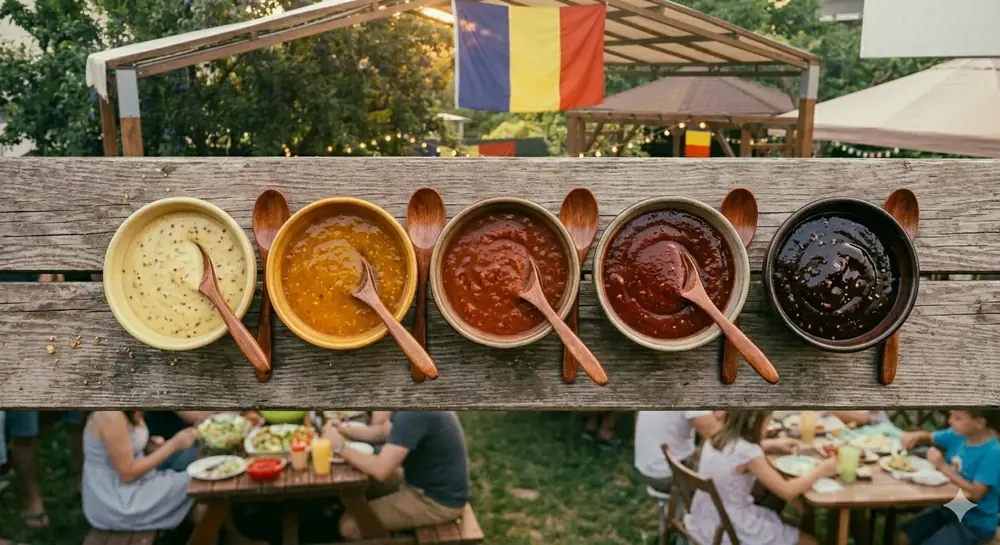
Why Sauce Matters in BBQ
Sauce balances fat, enhances smoke, and adds moisture. But more importantly, it tells a story — of geography, history, and local ingredients. In the U.S. alone, there are at least 6 distinct regional styles, and globally, marinades like Korean gochujang or Japanese teriyaki redefine what “BBQ sauce” can be.
1. Eastern Carolina Vinegar Sauce
Origin: North Carolina, USA
Flavor: Tangy, spicy, thin, no tomato
Best for: Pulled pork (traditional), whole hog BBQ
This is the oldest American BBQ sauce — born from necessity. Vinegar preserved meat before refrigeration, and hot pepper flakes added kick. It’s not meant to be thick or sweet.
• 2 cups apple cider vinegar
• 2 tbsp red pepper flakes
• 1 tbsp black pepper
• 1 tsp salt
• 1 tsp sugar (optional)
Whisk and serve at room temperature.
2. Kansas City Sweet Tomato Sauce
Origin: Kansas City, Missouri, USA
Flavor: Thick, sweet, smoky, molasses-rich
Best for: Ribs, burnt ends, grilled chicken
The most commercially popular style (think KC Masterpiece). It’s sticky, glossy, and clings to meat. Often used as both baste and table sauce.
3. Alabama White Sauce
Origin: Decatur, Alabama, USA
Flavor: Creamy, tangy, peppery, mayo-based
Best for: Smoked chicken (never pork!)
Invented at Big Bob Gibson’s in the 1920s, this sauce defies expectations. It’s cooling, not heating — perfect for hot smoked poultry.
• 1 cup mayonnaise
• ¼ cup apple cider vinegar
• 1 tbsp horseradish
• 1 tsp black pepper
• ½ tsp salt
Chill for 1 hour before serving.
4. Texas Mop Sauce
Origin: Central Texas, USA
Flavor: Thin, savory, beer or vinegar-based
Best for: Beef brisket (applied during smoking)
Texas BBQ is meat-forward — sauce is secondary. Mop sauces keep brisket moist during long smokes but don’t overpower the smoke ring.
5. Korean BBQ Marinade (Bulgogi Style)
Origin: Korea
Flavor: Sweet, savory, umami, slightly spicy
Best for: Thinly sliced beef (bulgogi), pork belly (samgyeopsal)
Korean “BBQ” is table-grilled, and marinades are essential. Gochujang (fermented chili paste) and Asian pear create depth and tenderness.
• ½ cup soy sauce
• ¼ cup sugar (or ½ Asian pear, pureed)
• 2 tbsp sesame oil
• 4 cloves garlic, minced
• 1 tbsp grated ginger
• 1 tbsp gochujang (optional)
Marinate 1–24 hours.
6. Japanese Teriyaki Glaze
Origin: Japan
Flavor: Glossy, sweet-salty, mirin-based
Best for: Chicken thighs, salmon, tofu
True teriyaki is a cooking technique (glazing over flame), not just a bottled sauce. The word “teri” means luster — from the shiny glaze.
7. South African Blatjang (Apricot Chutney)
Origin: Cape Malay cuisine, South Africa
Flavor: Fruity, spicy, vinegar-sharp
Best for: Boerewors sausage, grilled lamb
A legacy of Dutch and Malay fusion — apricot jam meets chili and vinegar. Served alongside, not on, the meat.
Regional BBQ Styles at a Glance
Each American BBQ region pairs a main meat with its own sauce and wood. Use this table to match a sauce from this guide to the style you are cooking.
| Style | Main meat | Sauce | Typical wood |
|---|---|---|---|
| Central Texas | Beef brisket | Little or none; a thin mop while cooking | Post oak |
| Eastern North Carolina | Whole hog, pork shoulder | Vinegar and pepper, no tomato | Hickory, oak |
| Western NC (Lexington) | Pork shoulder | Vinegar with a little ketchup ("dip") | Hickory |
| Kansas City | Ribs, burnt ends, chicken | Thick, sweet tomato and molasses | Hickory |
| Memphis | Pork ribs | Dry rub; sauce optional | Hickory, fruitwood |
| North Alabama | Smoked chicken | Mayonnaise-based white sauce | Hickory |
Texas Brisket Rub
Central Texas brisket uses a simple 50/50 mix of coarse black pepper and kosher salt, often called a "Dalmatian rub". Trim the fat cap to about ¼ inch, coat the brisket evenly and smoke at 225–250°F until a probe slides in with little resistance, usually around 200–205°F. Plan about 0.6 lb of raw brisket per guest; see the pounds per person chart.
Memphis Dry Rub (1 rack)
- 2 tbsp paprika
- 1 tbsp brown sugar
- 1 tbsp garlic powder
- 1 tbsp onion powder
- 1 tsp cayenne
- 1 tsp salt
- 1 tsp black pepper
Rub the ribs about an hour before smoking. For rack counts by guest number, see the ribs guides.
How to Choose the Right Sauce for Your BBQ
- For pulled pork: Carolina vinegar or Lexington dip (vinegar + ketchup)
- For ribs: Kansas City thick & sweet
- For chicken: Alabama white or teriyaki
- For beef brisket: Texas mop or none at all
- For Korean BBQ: Homemade gochujang marinade
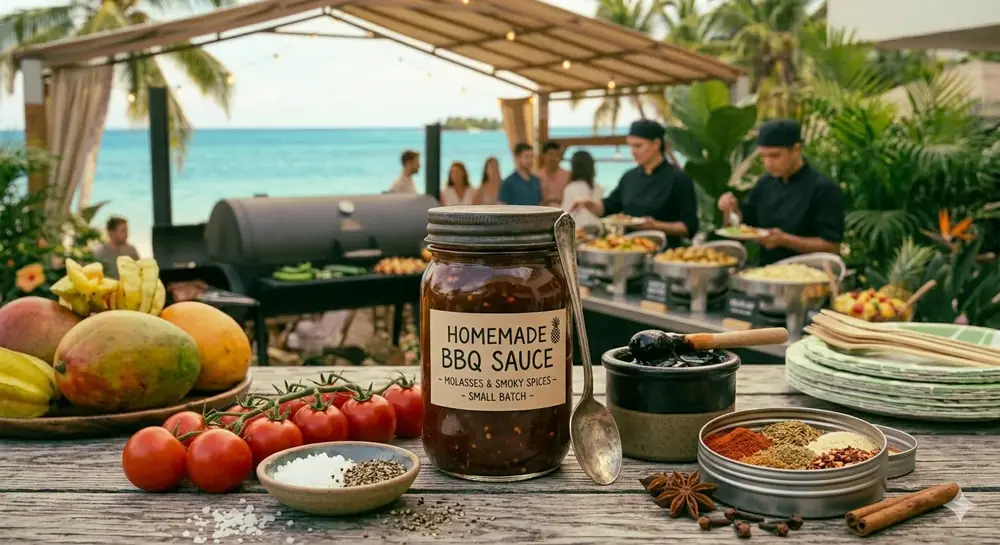
Make Your Own: 3 Rules for Perfect BBQ Sauce
- Balance the four elements: Sweet (sugar, fruit), Acid (vinegar, citrus), Heat (pepper, chili), Salt (soy, Worcestershire)
- Simmer for depth: Cook 10–15 minutes to meld flavors
- Adjust for use: Thin for mops, thick for glazes
FAQs About BBQ Sauces
Answers to common questions (also marked up for Google rich results):
What is the best BBQ sauce for pulled pork?
Eastern Carolina vinegar-based sauce is traditional, but Lexington-style (vinegar + ketchup) offers a balanced middle ground. Avoid overly sweet sauces — they mask the smoke.
Can I use store-bought sauce as a marinade?
Yes, but check the sugar content. High-sugar sauces (like most Kansas City brands) will burn if used as a long marinade or early baste. Use them only in the final 10–15 minutes.
Is Korean BBQ sauce the same as gochujang?
No. Gochujang is a fermented chili paste used in Korean BBQ marinades. The full marinade includes soy sauce, sugar, garlic, and sesame oil.
How long does homemade BBQ sauce last?
Stored in a sealed jar in the fridge, most homemade sauces last 2–3 weeks. Vinegar-based sauces (Carolina style) can last up to 6 weeks.
Ready to plan your BBQ? Get exact quantities, costs, and a PDF shopping list.
Open BBQ Calculator →Related: How Much BBQ Per Person · BBQ Catering Guide · Best Side Dishes · BBQ Calculator
Sauce-Making Tools Worth Having
Recommended gear for this topic. Links go to Amazon. As an Amazon Associate we earn from qualifying purchases.
🛒 OXO Good Grips Silicone Basting Brush
Heat-safe to 600°F, dishwasher safe, no bristle shedding. Top pick for sauce application.
Check Price on Amazon →🛒 Traeger Grills BBQ Sauce Variety Pack
Sweet, smoky, and spicy versions — great reference set when developing your own recipe.
Check Price on Amazon →🛒 All-Clad Stainless 2-Qt Saucepan
Ideal for simmering BBQ sauces without scorching. Tri-ply construction, oven-safe to 600°F.
Check Price on Amazon →